
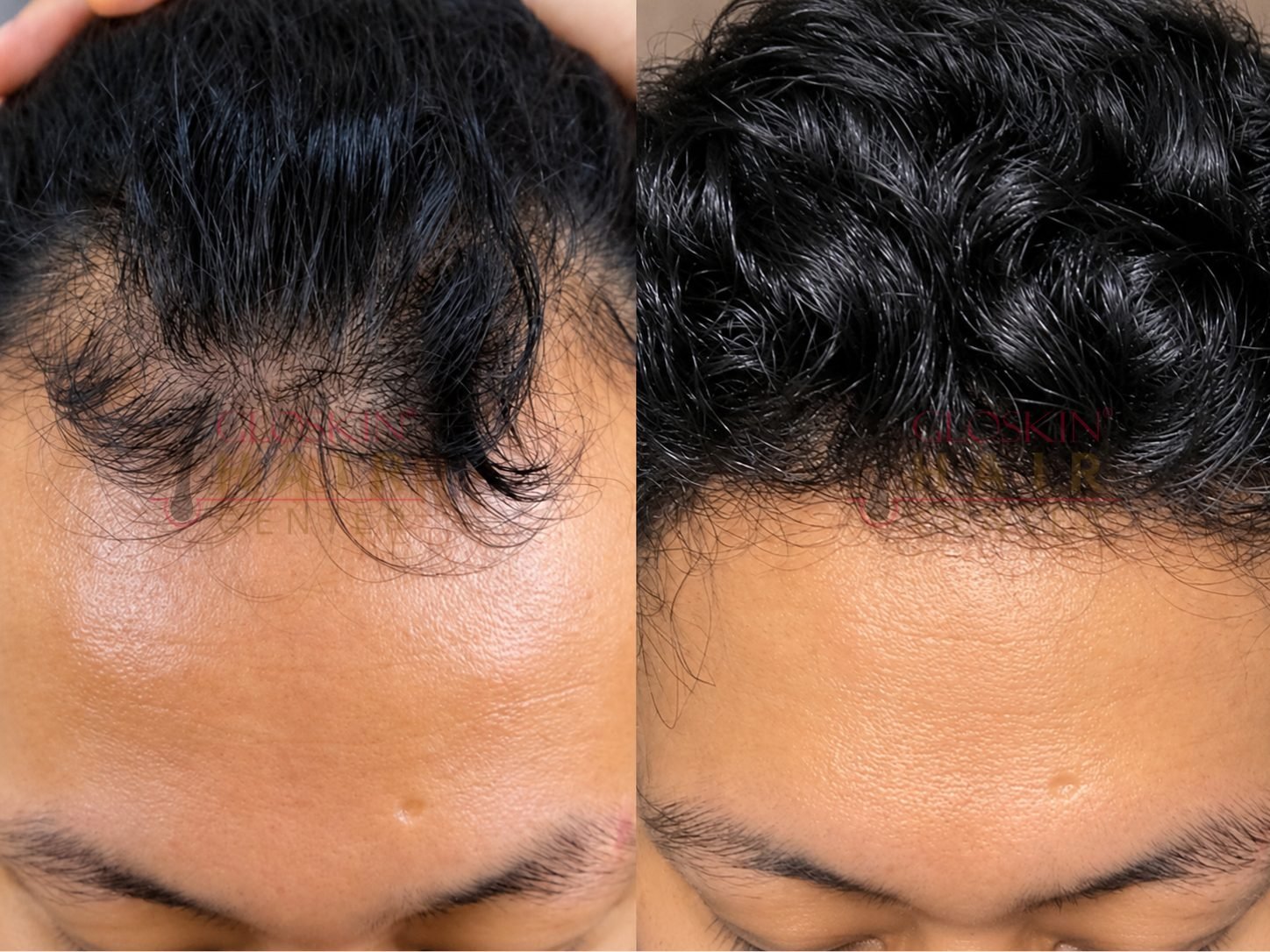
Hair Transplant
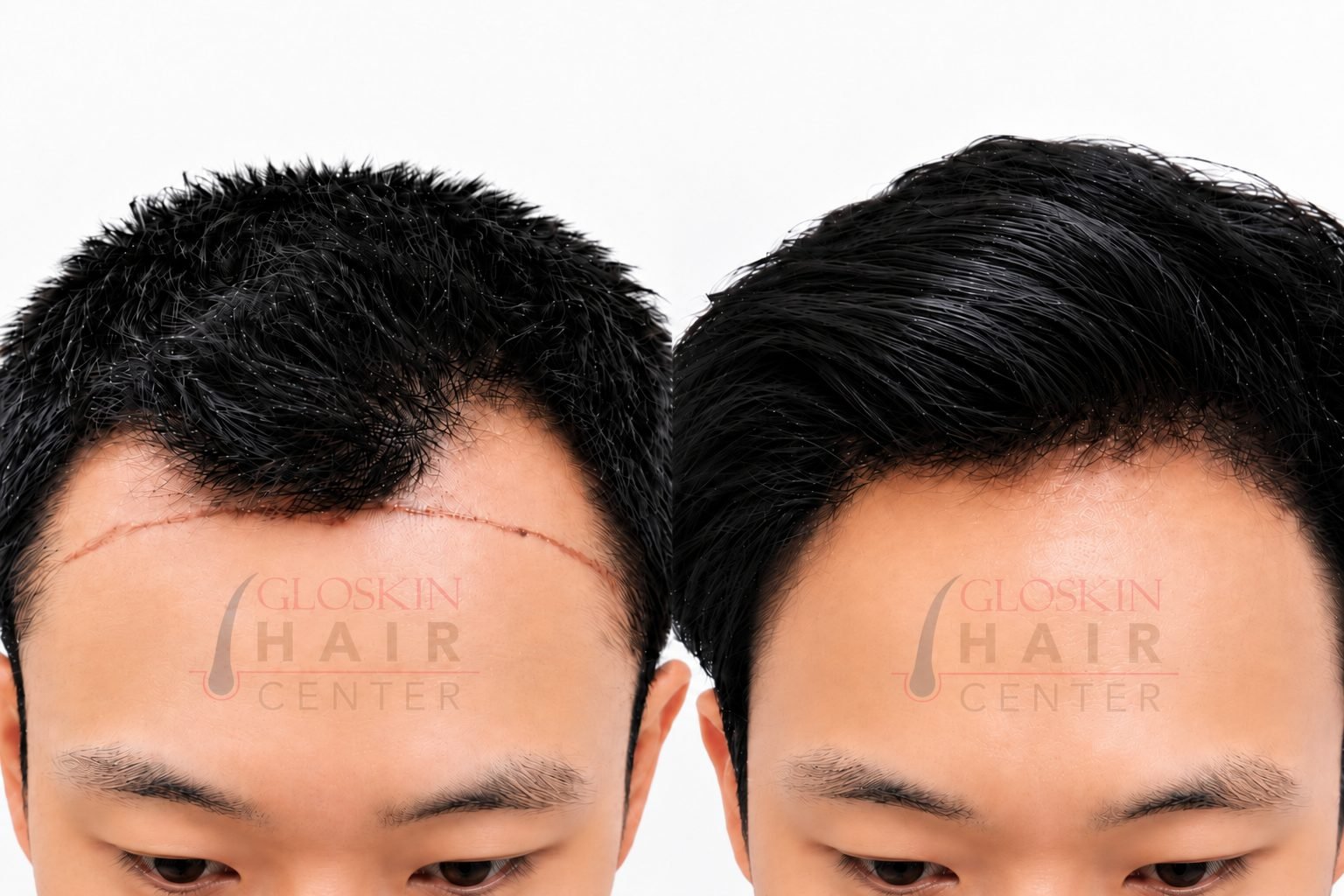
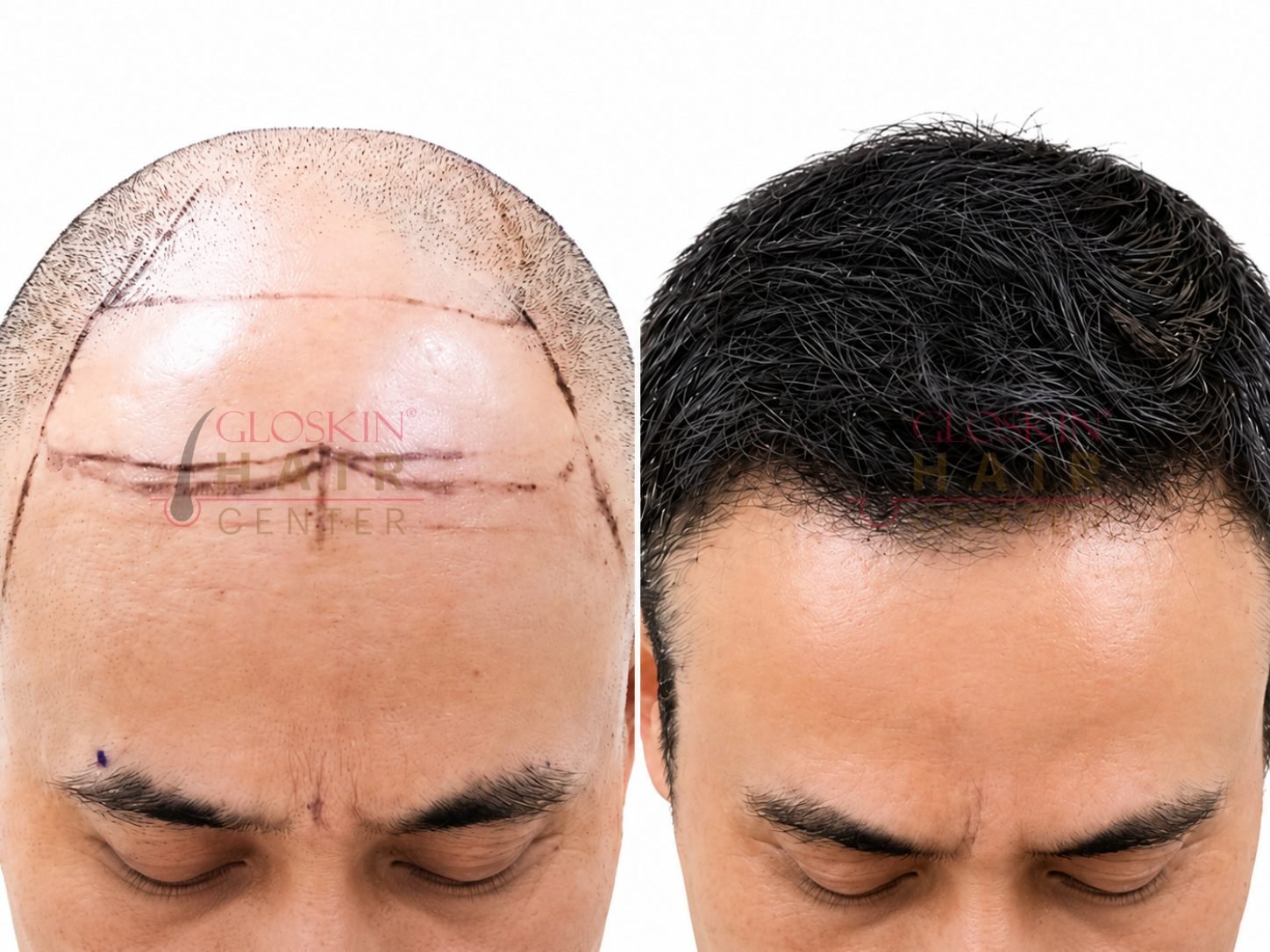
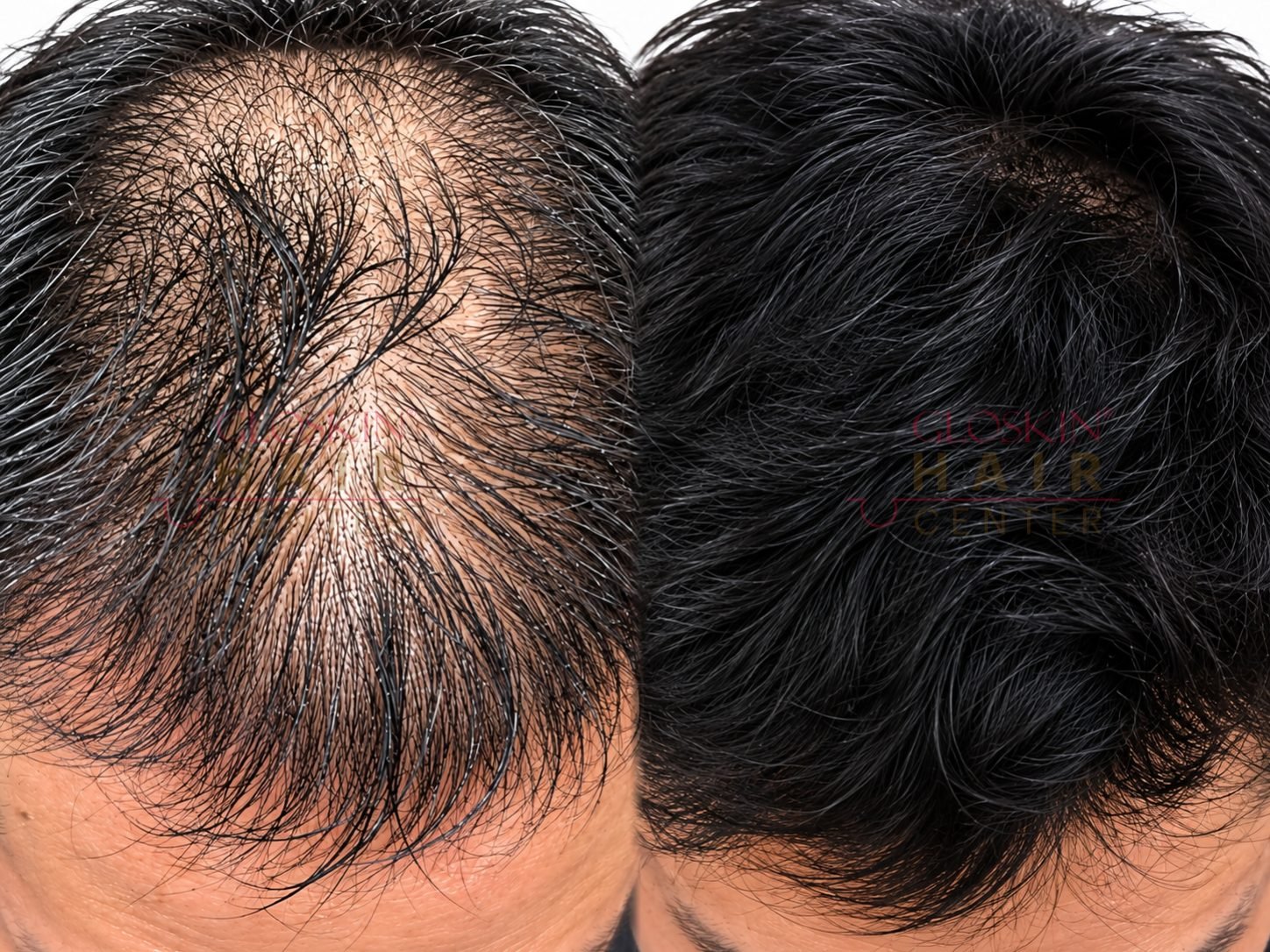
Hair transplant is a surgical procedure to move healthy hair follicles from the donor area (the back and sides of the head) to areas with baldness or thinning.
What concerns can it address?
- Male pattern baldness (androgenetic alopecia)
- Female pattern baldness in certain patients
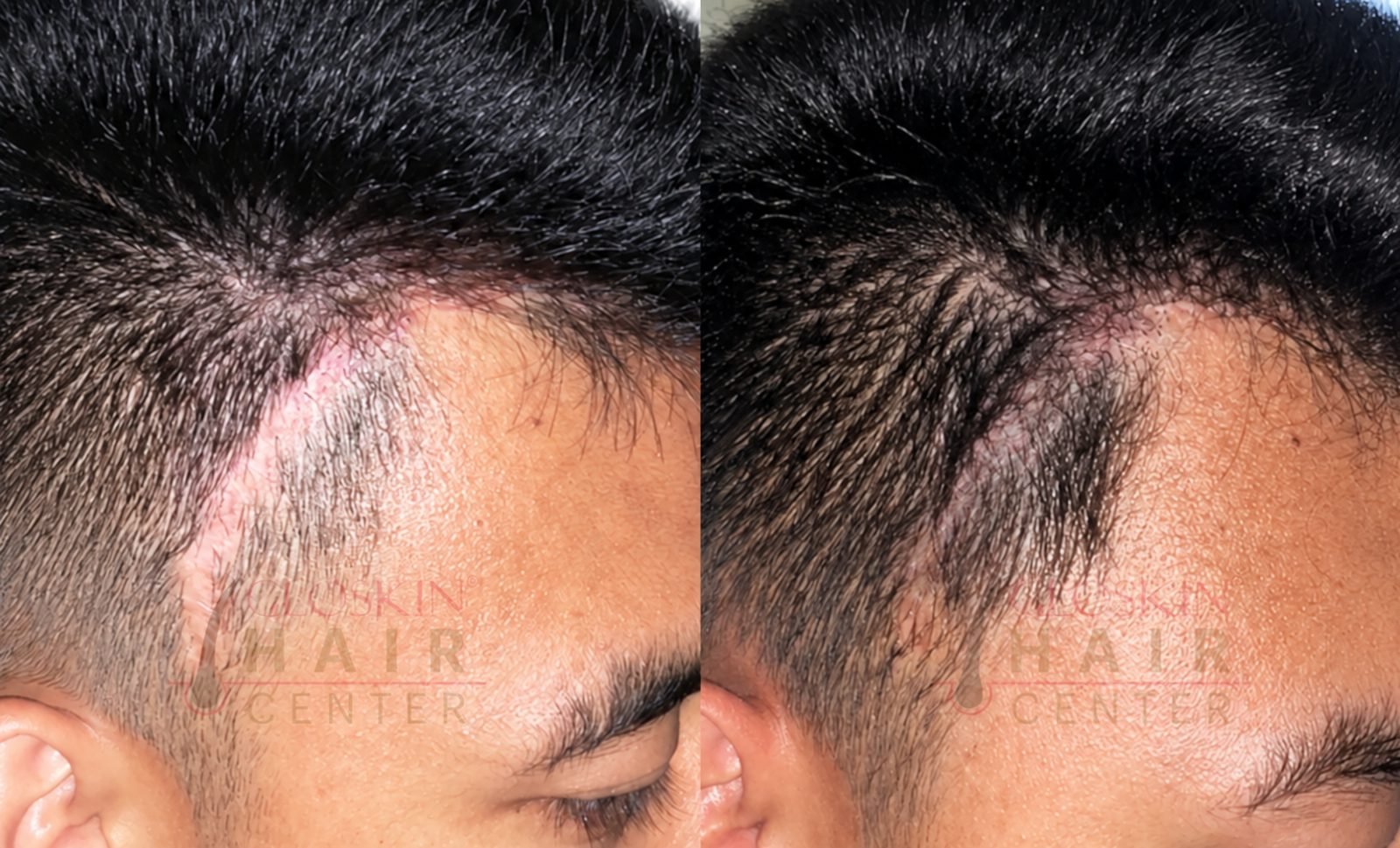
- Baldness from burn scars, trauma, or previous surgery
Hair reconstruction, for example eyebrows and hairline
The cause of hair loss must be confirmed first. Hair loss caused by illness, hormonal disorders, nutritional deficiencies, infection, or other conditions that are still active needs to be treated before a transplant is considered.
What methods are used?
FUE is a method of harvesting grafts one by one using a punch. The grafts are then planted in the area with baldness.
DHI also uses extracted grafts in principle, but the planting is done with an implanter pen, which lets grafts be placed directly without first making all the small planting holes.
Who is it for?
Patients who still have enough donor area in quality and availability, and are in good general health. This will be discussed again with the doctor.
How long is the procedure and recovery?
A hair transplant generally takes about 6 to 8 hours under local anesthesia. The duration depends heavily on the number of grafts needed to cover the baldness.
Things patients need to pay attention to after a hair transplant:
- Sleep with your head raised (using 2-3 pillows) for the first 1-3 days to prevent swelling.
- Avoid touching, rubbing, or scratching the grafted area, and avoid strenuous exercise and direct hot sun for about 3-4 weeks.
- The doctor will give medication to prevent infection, pain relief if needed, and anti-inflammatory medication to prevent inflammation.
When do results start to show?
After the procedure, there are several phases:
Early Phase (1-2 Weeks): The scalp may be swollen and red for the first 1-3 days. Small scabs form in the planted hair area and slowly peel off on their own.
- Shedding Phase (3-10 weeks): The newly planted hairs usually fall out (shock loss). This is a normal, natural response before the hair roots are ready to produce new strands.
- Growth Phase (3-12 Months): Permanent hair slowly starts to grow and thicken. The optimal, natural final result is usually seen after 12 to 18 months.
Does it need to be combined with other treatments?
| PRP | Can be done once every 3 weeks |
|---|---|
| Exosome / Bio active hair cell | Can be done once every 3 weeks |
| Minoxidil/serum | Hair serum or minoxidil can be used in the 4th week after the hair transplant, 2 times a day after washing your hair. |
| Oral medication / multivitamins | Taken every day after meals |