
VIP Light
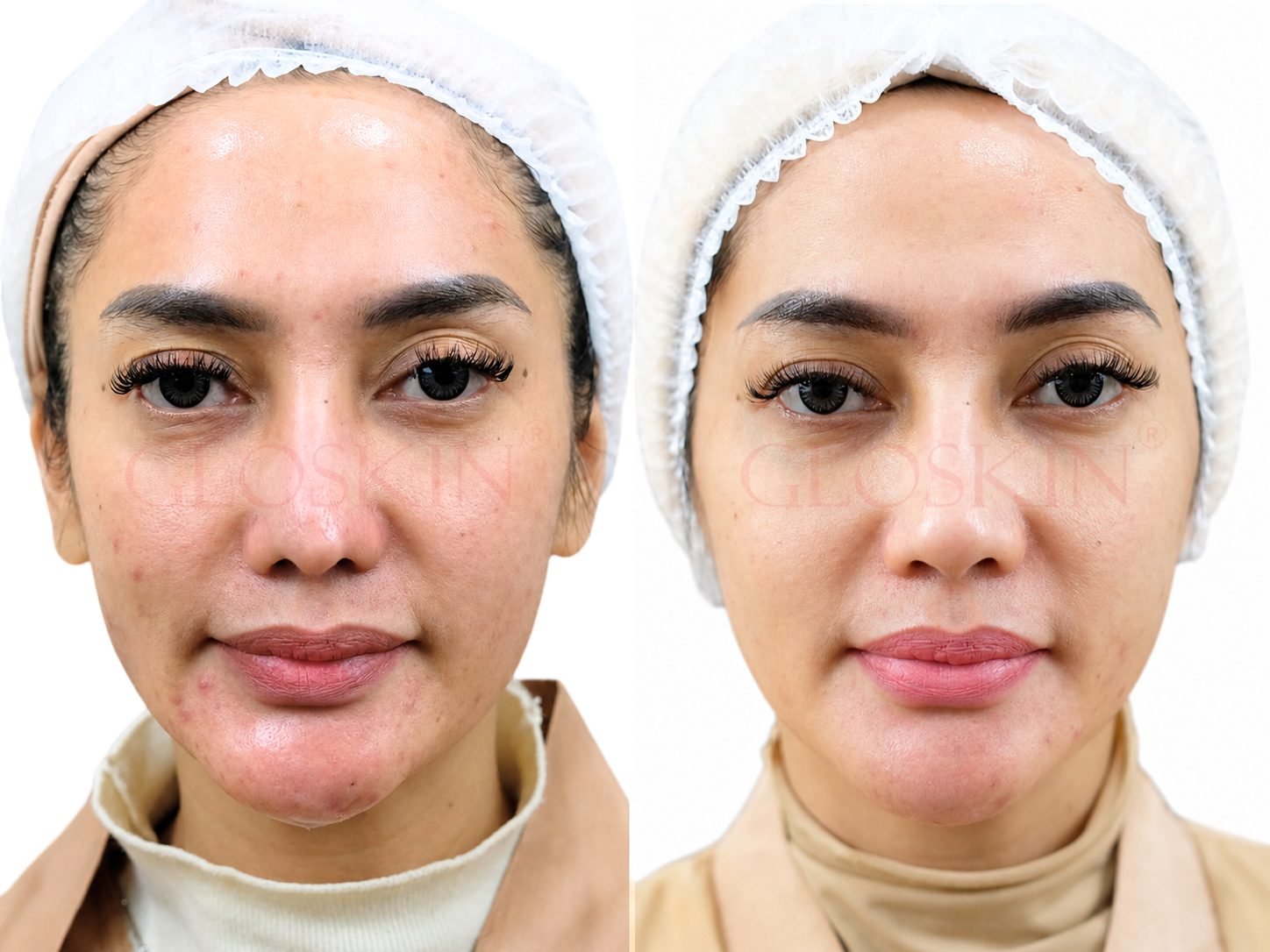
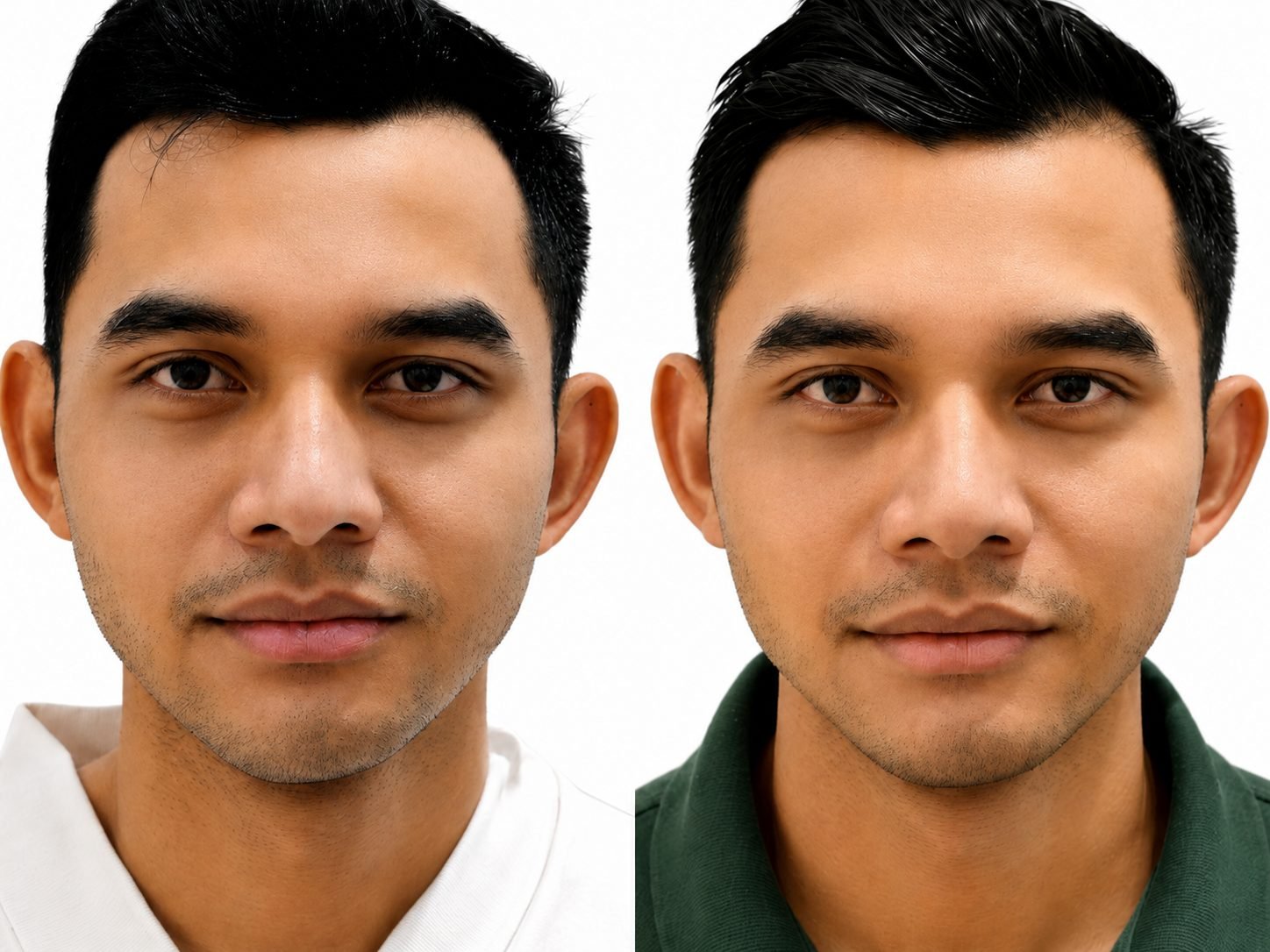
Cares for red skin, red acne marks, brownish spots, uneven skin tone, acne, and also reduces unwanted hair growth.
What is the VIP Light treatment
VIP Light is a treatment using Intense Pulsed Light (IPL) technology, which works with flashes of light aimed at specific targets in the skin. VIP Light helps care for red skin, red acne marks, brownish spots, uneven skin tone, acne, and also reduces unwanted hair growth.
VIP Light can help care for:
- Reddish acne marks.
- Skin that looks red.
- Visible small blood vessels or telangiectasia.
- Redness in certain conditions such as rosacea.
- Freckles, sun spots, lentigo, and certain brownish spots.
- Skin tone that looks uneven because of sun exposure.
- Some types of inflamed acne.
- Helping skin look cleaner, brighter, and more even.
- Reducing unwanted hair growth on the face and body.
How does it work
VIP Light uses light aimed at specific targets in the skin. The target differs depending on the concern being treated.
- For redness & blood vessels
The light targets the red color in blood vessels, which helps fade:
- redness,
- fine blood vessels,
- red acne marks.
- For brownish spots
The light targets melanin, the dark pigment in the skin. Excess pigment gradually decreases so spots look fainter and skin tone is more even.
- For acne
The light targets porphyrins produced by the bacteria that cause acne. This process helps reduce bacterial activity and acne inflammation.
- For hair removal
The light is absorbed by pigment in the hair and passed on as heat to the hair follicle. After several sessions, hair can:
- grow more slowly,
- become fewer,
- and grow thinner.
IPL is usually more effective on black or brown hair than on white, gray, or very blonde hair. Hair removal can be done on areas such as the underarms, face, bikini line, hands, legs, chest, and back, after the doctor assesses your skin and hair condition.
Who is it for
VIP Light can be considered for men and women who have:
- reddish acne marks,
- skin that flushes easily,
- visible small blood vessels,
- certain brownish spots,
- freckles or sun spots,
- uneven skin tone,
- certain types of acne,
- or unwanted hair.
How long is the procedure and recovery
A VIP Light treatment takes about 15 minutes, not including preparation, depending on the size of the area and the concern treated. Larger areas can take longer.
After the treatment:
- Redness or a feeling of warmth: about 1–3 days.
- Mild swelling: about 1–3 days.
- In pigmentation treatment, spots can look temporarily darker for about 3–7 days before slowly fading.
- Most patients can return to daily activities within 0–1 days.
Reactions can differ depending on skin type, area, and the energy used. After the procedure, the area can look slightly red or feel warm for about 1–3 days. Hair that has been hit by the energy does not always disappear right away during the treatment. Hair can start to shed gradually about 1–2 weeks after the procedure.
How many times is it needed
For skin treatment as an initial course, VIP Light is generally done about: 4–6 sessions, about 2-4 weeks apart.
After the initial course, the doctor will evaluate the results and decide whether further treatment is needed.
For hair removal
Hair removal needs several sessions because VIP Light works most effectively on hair that is in the active growth phase. As an initial course, about 4–6 sessions or more can be done, about 4 weeks apart, depending on the body area, hair growth cycle, hair thickness, and the patient’s response. After the initial course, some patients may need periodic maintenance if new hair growth appears.
When do results start to show
Redness / vascular
Changes can start to be assessed about 2–4 weeks after the treatment.
Pigmentation
Spots can look darker for about 3–7 days, then start to fade. Results are usually evaluated after about 2–4 weeks.
Acne
Changes in acne can start to be evaluated within about 2–4 weeks, but several sessions may be needed for clearer results.
Hair removal
Some hair can start to shed about 1–2 weeks after the treatment. Results can usually be judged after about 4–6 sessions or more, depending on the area and hair characteristics.
Does it need to be combined with other treatments
Depending on the skin concern, VIP Light can be combined with:
Lhala Peel: Helps care for the skin surface.
Acne Treatment: Helps clear blackheads and care for acne according to its type.
Laser Pigment: For certain pigmentation that needs a different target.
Skinbooster: Helps hydration and skin quality.
Microneedling / RF: To help improve texture and certain scars.
What to know before and after the treatment
Before the treatment
- Avoid too much sun exposure and tanning.
- Tell us if your skin recently had sunburn.
- Tell us about the medications and supplements you are using.
- Tell us about any history of herpes, pigmentation disorders, or skin that is prone to PIH.
- Do not stop prescription medication without the doctor’s guidance.
- Postpone the treatment if there are wounds, infection, or severe irritation.
- The doctor can ask you to stop retinol, AHA/BHA, or irritating active ingredients about 3–5 days before the treatment.
Especially before hair removal
- Hair in the treatment area can be shaved about 1 day before the treatment.
- Avoid pulling out hair by waxing, threading, epilator, or tweezers about 3–4 weeks before the treatment, because IPL needs the hair pigment inside the follicle as its target.
- Avoid tanning and too much sun exposure before the procedure.
After the treatment
- Use a gentle cleanser and moisturizer.
- Avoid rubbing or peeling your skin.
- Avoid retinol, AHA/BHA, scrubs, and active ingredients that easily irritate for about 3–7 days or until your skin feels comfortable again.
- Avoid saunas, strenuous exercise, and excessive heat for about 24–48 hours.
- Use broad spectrum sunscreen of at least SPF 30.
- Avoid too much sun exposure during the course of treatment.
Contact the clinic right away if redness or pain gets worse, or if blisters, wounds, severe swelling, or unusual skin color changes appear.
Consult a GLOSKIN doctor
The doctor will examine the type of skin concern, skin color, hair characteristics, treatment area, and the goal you want to reach before deciding whether VIP Light suits your skin concern, and will give you aftercare guidance.