
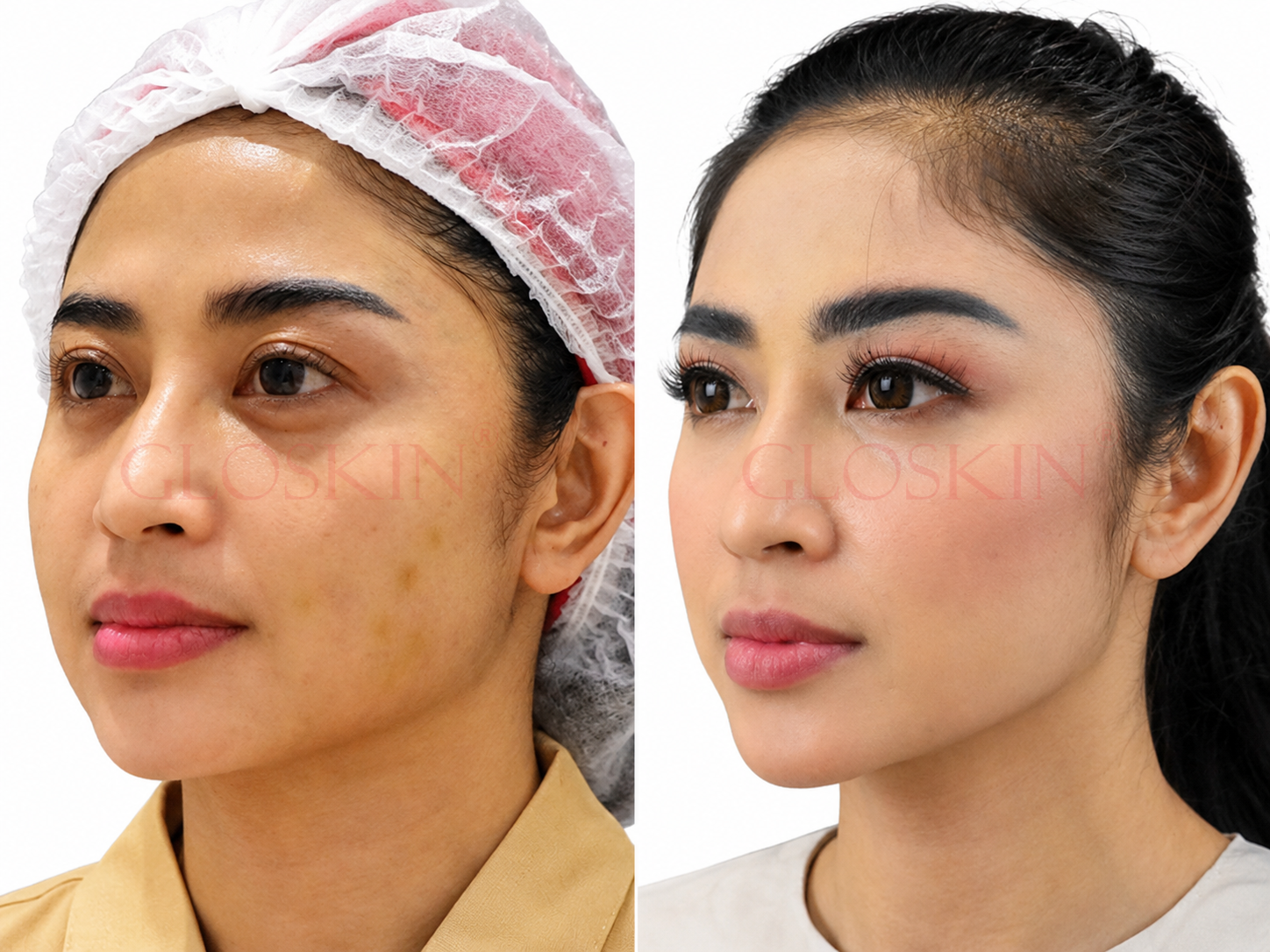
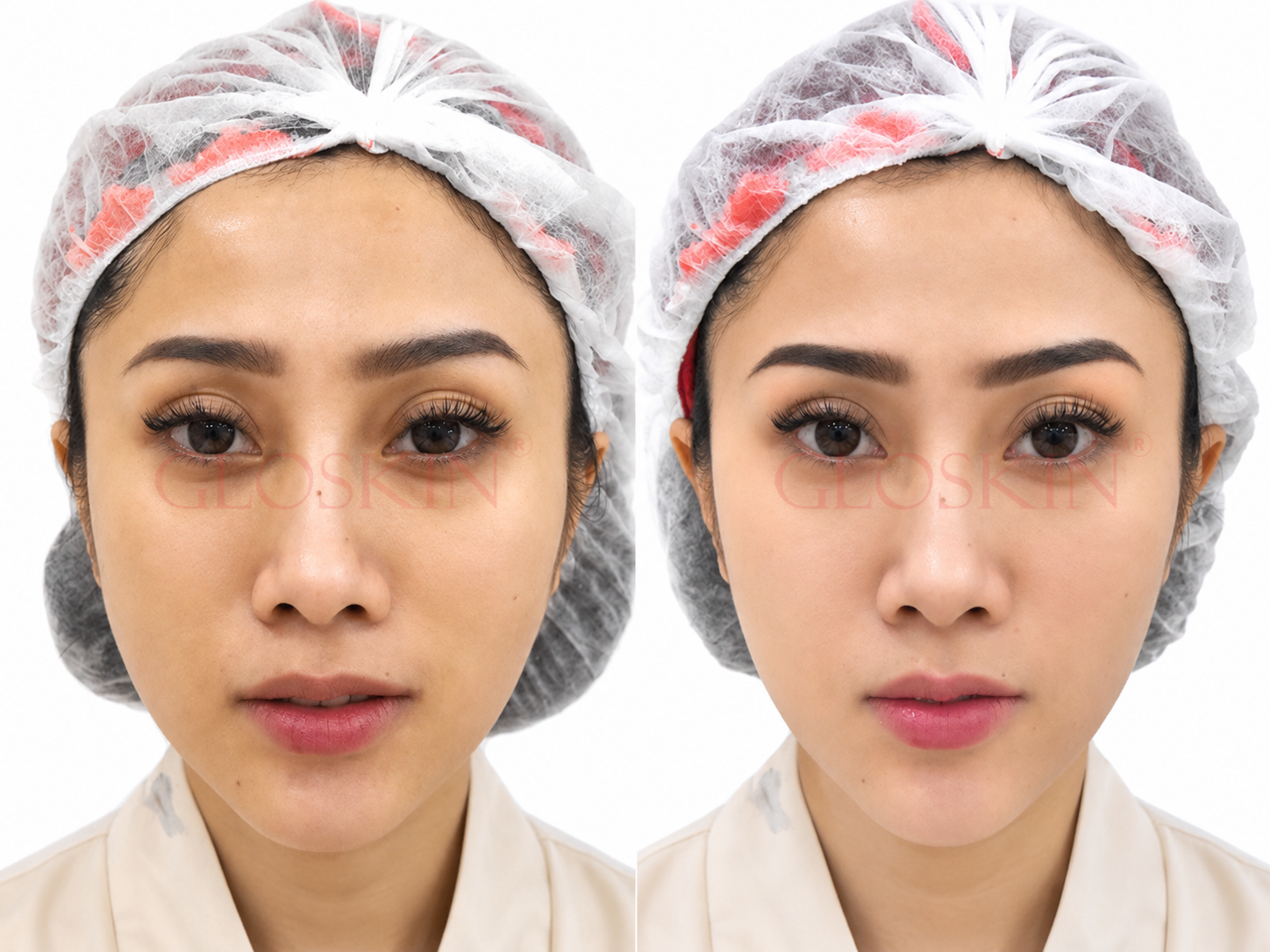
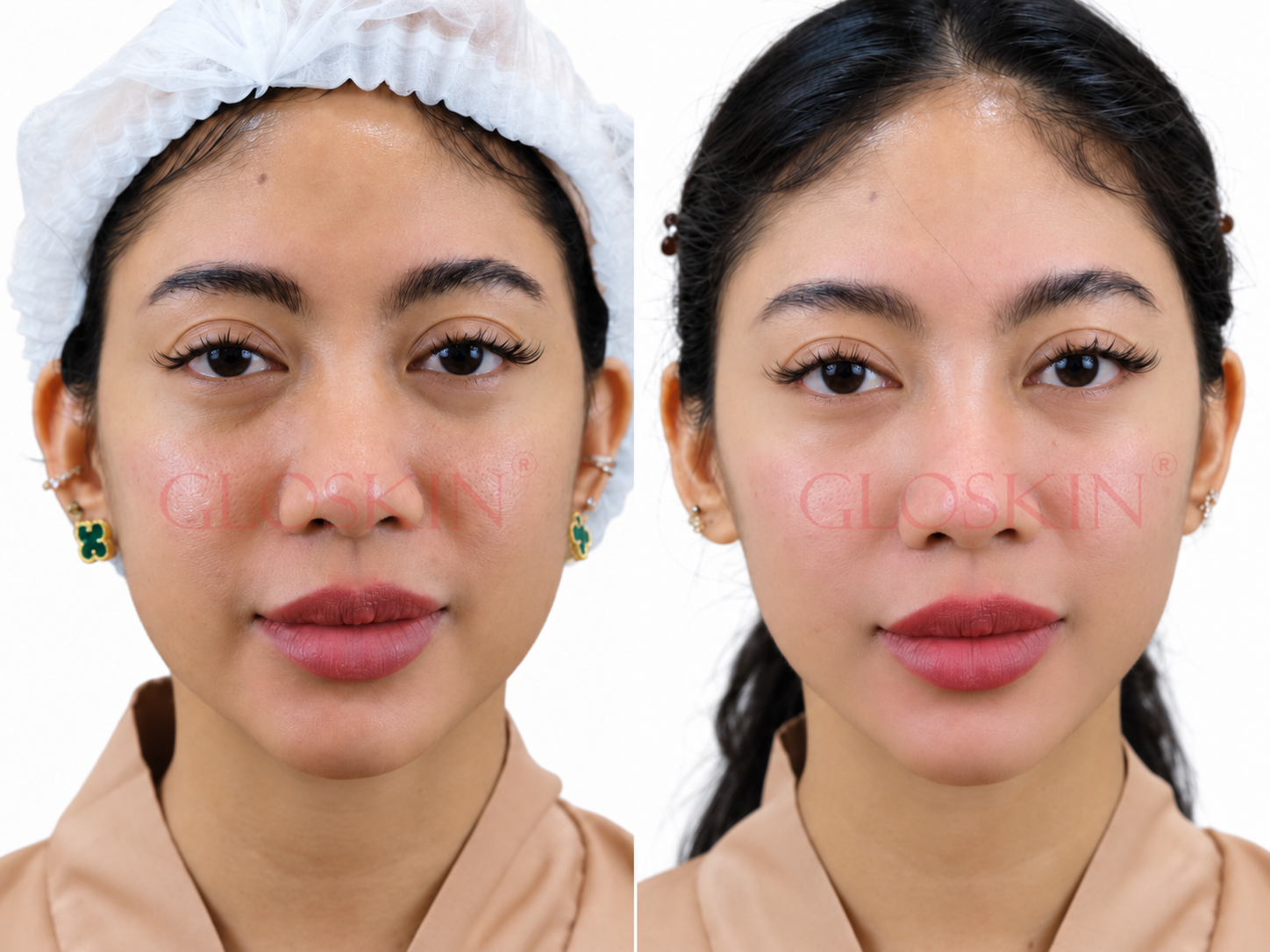
Ultralift
What is the UltraLift treatment
UltraLift is a non-surgical face tightening treatment using High-Intensity Focused Ultrasound (HIFU) Liftera technology. This treatment delivers ultrasound energy to certain skin layers, including the supporting tissue layer under the skin. The goal is to help:
- Tighten skin that is starting to sag
- Define facial contour
- Make the jawline look more defined
- Stimulate new collagen production
- Give a lifting effect that looks natural
What concerns can it address
UltraLift can be considered to help with:
- Facial skin that is starting to sag
- Cheeks that are starting to drop
- A jawline that is less defined
- The look of a mild double chin
- A lower face that looks heavier
- Neck skin that is starting to lose firmness
- Fine wrinkles and reduced skin elasticity
- Early signs of aging on the face and neck
- Patients who want to maintain facial firmness without surgery
This treatment generally suits mild to moderate skin laxity. For very loose skin or fairly severe tissue descent, the doctor may recommend another treatment or a combination of care.
How does it work
Liftera ultrasound energy is aimed at a tissue depth set by the doctor. The energy forms small heat points, or thermal coagulation points, without making an open wound on the skin surface.
This process works in two stages:
Tissue contraction
Controlled heat helps the tissue contract so the skin can feel firmer.
Formation of new collagen
The body responds to the heat by running its natural repair process. Collagen is produced and rearranged gradually so the skin looks firmer, denser, and more lifted.
The treatment depth can be adjusted to target different layers, from the dermis to deeper supporting tissue. That is why area mapping and energy settings must be adjusted to each patient’s facial anatomy.
Who is it for
UltraLift suits men and women who:
- Have mild to moderate skin laxity
- Are starting to see changes in the cheeks, jaw, or neck
- Want a more defined face without surgery
- Want gradual and natural results
- Do not have time for a long recovery
- Want care to maintain skin firmness
How long is the procedure and recovery
The procedure generally takes about 30–90 minutes, depending on:
- The size of the area treated
- The amount of energy or number of shots needed
- Tissue condition and thickness
- The result you want to achieve
- Whether the treatment is on the face only or includes the neck
UltraLift needs no incisions and generally has minimal recovery time. After the procedure, some patients can have:
- Mild redness
- Slight swelling
- Skin that feels warm
- Tingling or more sensitivity
- Soreness or mild pain when touched
These complaints are usually temporary and can ease within a few hours to a few days.
How many times is it needed
Some patients can see improvement after one treatment. However, the number of sessions cannot be the same for everyone. The doctor will decide the need based on:
- The degree of skin laxity
- Age and collagen quality
- Tissue thickness
- The area you want to improve
- The body’s response to the treatment
- Previous treatment history
Follow-up or maintenance treatment can be considered after the doctor’s evaluation, generally when the tightening effect starts to fade. UltraLift should not be done too often without an indication because the energy is given to quite deep tissue layers.
When do results start to show
Some patients can feel firmer skin right after the treatment because of early tissue contraction. However, the main results do not appear instantly because the body needs time to form and rearrange collagen. Progress is generally:
- Right after the treatment: skin can feel firmer
- Within 4–8 weeks: facial contour starts to look better
- About 2–3 months: the tightening results usually become more visible
- Up to the following months: collagen formation can still continue
Results can last about 6–12 months, but differ for each patient. Age, skin condition, lifestyle, weight changes, sun exposure, and natural aging can affect how long they last.
Does it need to be combined with other treatments
UltraLift can be done as a single treatment or combined with other care. The combination is decided based on the cause of the facial changes, not just on the complaint of “looks like it is dropping”.
Some treatments the doctor may consider:
- Botox, to help reduce wrinkles caused by muscle activity
- Filler or collagen stimulator, to help restore volume and improve facial structure
- Threadlift, for conditions that need stronger pulling of tissue
- Skin booster or Salmon DNA, to improve hydration and skin quality
- Laser or IPL, to help treat pigmentation and uneven skin tone
- Radiofrequency, to support tightening and improve skin texture
- Body composition and wellness programs, if changes in facial contour are related to weight, body composition, nutrition, or lifestyle
The order and spacing between treatments must be decided by the doctor so the results are more optimal and the procedure stays safe.
What to know before and after the treatment
Before the treatment
- Tell us about your health condition, allergies, and the medications and supplements you take.
- Tell us if you have had fillers, threadlift, implants, surgery, or energy-based treatments in the same area.
- Tell us if you are pregnant or breastfeeding.
- Tell us if you have a clotting disorder, nerve disease, autoimmune disease, or other medical conditions.
- The procedure may need to be postponed if there is infection, an open wound, inflammation, or severe acne in the treatment area.
- Avoid having the treatment without an examination and anatomy mapping first.
After the treatment
- Use a gentle moisturizer as the doctor advises.
- Use sunscreen every morning and reapply when needed.
- Avoid rubbing or massaging the treated area too hard.
- Avoid saunas, very hot baths, and activities that cause excessive heat for a few days.
- Put off scrubs, peels, retinoids, or skincare that can irritate, as the doctor advises.
Consult a GLOSKIN doctor
Every face has a different anatomy, tissue thickness, fat distribution, and degree of laxity. That is why more shots and a higher energy level do not necessarily give a better result. Before UltraLift, a GLOSKIN doctor will:
- Listen to your concerns and the result you hope for
- Examine your skin condition and degree of laxity
- Analyze your facial proportions and contour
- Assess fat thickness and volume loss
- Review your previous treatment history
- Decide the suitable areas, depth, and parameters
- Explain the possible results, how long they last, and side effects
- Put together the single or combined treatment that suits you best