
Use Acne Medication Carefully: Understanding Topical Antibiotics and the Risk of Resistance
Do you keep leftover acne gel or ointment in a drawer and use it whenever acne returns? It may seem practical, but this habit can make acne harder to treat later.
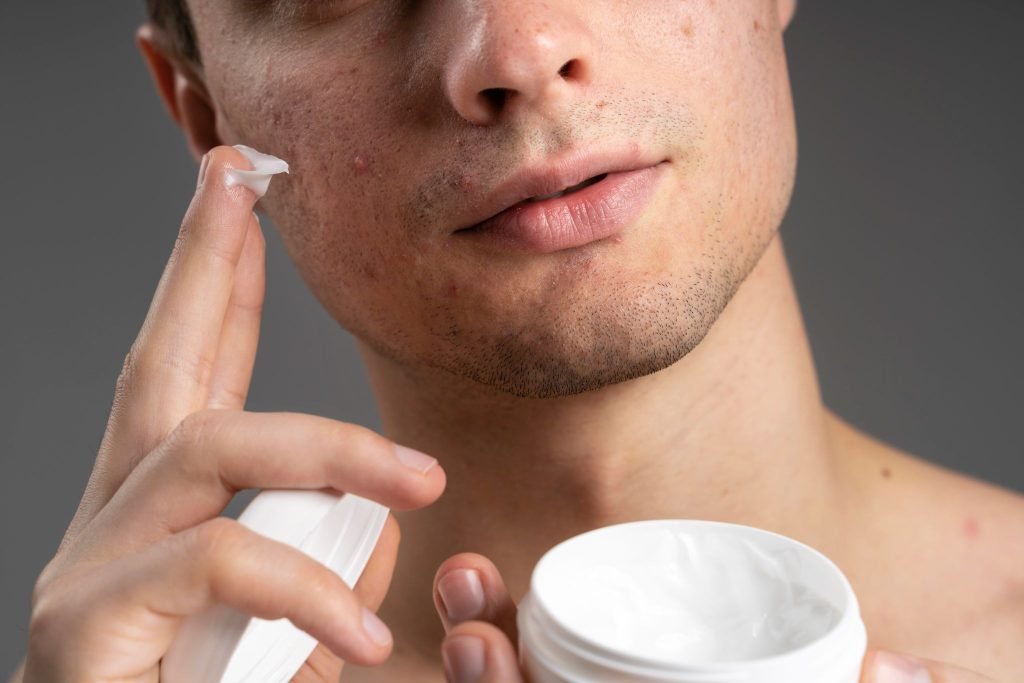
Do you keep leftover acne gel or ointment in a drawer and use it whenever acne returns? It may seem practical, but this habit can make acne harder to treat later.
What Are Topical Antibiotics?
Topical antibiotics are medicines applied to the skin to kill or inhibit acne-causing bacteria, such as Cutibacterium acnes, and help reduce inflammation. Commonly prescribed examples include clindamycin and erythromycin. As medicines, they require a prescription and medical supervision.
What Is Antibiotic Resistance?
Resistance occurs when bacteria learn to survive exposure to an antibiotic, making the medicine less effective. Incorrect use speeds up this process, for example:
- Using it without a prescription or a doctor’s diagnosis.
- Using it alone over a long period.
- Using it inconsistently or stopping when acne starts to improve.
- Using old leftover medicine or someone else’s medicine.
As a result, acne may not improve despite treatment, and future treatment options become more limited.
Why Are They Often Combined with Other Medicines?
Doctors usually do not prescribe topical antibiotics alone. They are generally combined with other ingredients, such as benzoyl peroxide or a topical retinoid, and used for a limited period as directed by a doctor. This combination helps lower the risk of resistance and improve results.
The Pharmacist’s Role at Gloskin
- Checking prescriptions: strength, formulation and directions suited to your skin condition.
- Checking compatibility: making sure they do not conflict with other medicines or skincare you use.
- Providing education: how to apply them, how long to use them, and what to do if you miss a dose or develop irritation.
Tips for Using Acne Medication Safely
- Use it as prescribed and complete treatment as directed by your doctor.
- Do not use topical antibiotics alone unless your doctor directs you to.
- Do not use old leftover medicine or someone else’s medicine.
- Do not apply it more often to make acne settle faster.
- Use sunscreen every morning.
- See your doctor if acne does not improve or irritation occurs.
FAQ
Can topical antibiotics be bought without a prescription?
No. Topical antibiotics are medicines that must be used with a doctor’s prescription.
Can they be used as a spot treatment whenever acne appears?
This is not recommended. Repeated use without a doctor’s guidance can increase the risk of resistance. Ask your doctor about the best approach for your condition.
Can I stop immediately once acne improves?
Follow your doctor’s instructions. Stopping or restarting medicine as you wish can cause acne to return and increase the risk of resistance.
Acne not improving? Consult a Gloskin doctor for suitable treatment.
Discussion
Comments & Questions
Share your comments or questions about this article.