
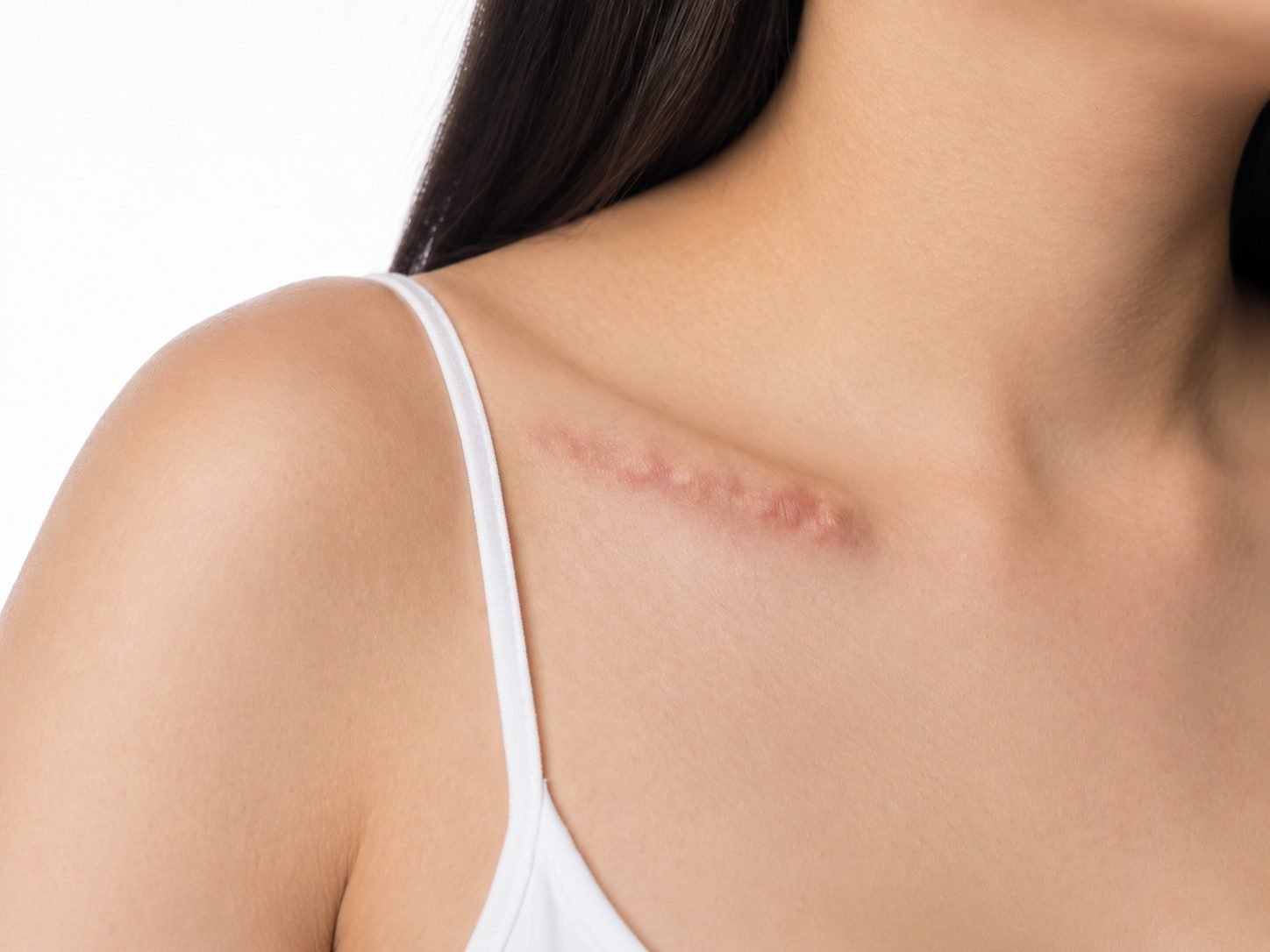
Keloid Removal
Procedures to Remove Lumps or Problem Tissue on the Skin
What Is Minor Skin Surgery?
Minor Skin Surgery is a small surgical procedure to remove or correct lumps, excess tissue, nail disorders, or certain growths on the skin.
The procedure usually uses local anesthesia, so the patient stays awake but the treated area is numbed. Most procedures can be done without hospital admission and patients can go home the same day.
Minor Skin Surgery at GLOSKIN includes:
- Keloid Removal
- Lipoma Removal
- Nail Surgery
- Skin Tumor Removal
- Xanthelasma Removal
What Concerns Can It Address?
Keloid Removal
To treat scars that grow thick, spread beyond the original wound, and feel itchy, painful, or bothersome to appearance and movement.
Lipoma Removal
To remove fatty lumps under the skin that are usually soft, movable, slow-growing, or starting to interfere with activities and appearance.
Nail Surgery
To treat ingrown nails, nails that are repeatedly inflamed, painful, pus-filled, changed in shape, or have problems that do not improve with ordinary care.
Skin Tumor Removal
To remove lumps or growths on the skin that have been examined by a doctor. The term “skin tumor” means a growth of tissue and does not always mean cancer.
Xanthelasma Removal
To reduce yellowish plaques or lumps around the eyelids caused by fat buildup under the skin.
How Does It Work?
Before the procedure, the doctor will examine the shape, size, location, depth, and possible cause of the complaint. If needed, the doctor may suggest supporting tests or tissue examination.
| Procedure | How It Works |
|---|---|
| Keloid Removal | Keloid tissue is carefully reduced or removed. Because keloids can grow back, the procedure usually needs to be followed by therapy to prevent recurrence. |
| Lipoma Removal | The doctor makes a small incision, then removes the fatty lump along with its capsule where possible. |
| Nail Surgery | Part or all of the problem nail is removed. In certain conditions, the nail root is also treated so that part of the nail does not grow back. |
| Skin Tumor Removal | The lump is removed with margins adjusted to its type and condition. The tissue may be sent to a laboratory to confirm the diagnosis. |
| Xanthelasma Removal | The yellowish plaques can be removed through small surgery or other methods depending on size, depth, and location around the eyes. |
The wound is then closed with stitches or a dressing, depending on the type and extent of the procedure.
Who Is It Suitable For?
Minor Skin Surgery can be considered for you if you:
- Have a skin lump that is growing or bothersome.
- Have a keloid that is itchy, painful, thick, or interferes with movement.
- Have a lipoma that feels uncomfortable or affects your appearance.
- Have an ingrown nail or repeated nail inflammation.
- Have xanthelasma around the eyelids.
- Have a skin growth that needs to be removed or examined further.
- Are in a state of health that allows for the procedure.
Lumps that grow quickly, feel hard, are hard to move, bleed easily, change color, become non-healing wounds, or cause pain need to be examined first. Cosmetic procedures must not be done until the cause is confirmed.
How Long Does the Procedure Take, and What Is Recovery Like?
The procedure usually takes about 30-90 minutes, depending on the type, size, number, depth, and location of the tissue treated.
| Time | What May Happen |
|---|---|
| Days 1-3 | Mild pain, swelling, redness, or slight bleeding may occur. |
| Days 4-7 | The wound starts to dry and discomfort usually reduces. |
| Days 7-14 | Stitches can be evaluated or removed, depending on the location and condition of the wound. |
| Weeks 2-4 | Most skin wounds start to recover and activities become more comfortable. |
| Months 3-12 | The scar keeps changing, becoming flatter and slowly fading in color. |
For Nail Surgery specifically, the wound can take about 2-6 weeks or more to recover. If the nail root is also treated, healing can take longer. Recovery differs for each patient, especially in patients with diabetes, poor circulation, smoking habits, or wound-healing disorders.
How Many Times Is It Done?
- Lipoma Removal: generally one procedure is enough if the lump can be removed completely.
- Skin Tumor Removal: generally done once, but follow-up procedures depend on the tissue examination results.
- Nail Surgery: generally once, but ingrown nails can still come back in some patients.
- Xanthelasma Removal: can be done once, but xanthelasma can come back.
- Keloid Removal: usually needs follow-up procedures and check-ups, because surgery alone cannot always prevent keloids from growing back.
When Will Results Start to Show?
The lump or tissue treated is already reduced after the procedure. However, early results are still affected by swelling, the wound, stitches, and the healing process.
- 1-2 weeks: the wound starts to close and swelling reduces.
- 2-6 weeks: the shape of the treated area starts to look clearer.
- 3-12 months: the scar matures and results can be judged better.
For keloids, results need to be monitored longer because tissue thickening can come back. For xanthelasma, a blood lipid test may be needed because this condition is sometimes related to fat metabolism disorders.
Does It Need to Be Combined with Other Treatments?
It depends on the type of complaint and the doctor’s examination.
| Condition | Supporting Care | Purpose |
|---|---|---|
| Keloid | Keloid injection or laser as indicated | Helps flatten the scar, reduce itching, and lower the risk of the keloid growing back. |
| Lipoma | Tissue examination if needed | Confirms the type of lump removed. |
| Nail Surgery | Wound care and infection or fungal therapy if proven present | Helps healing and treats any accompanying cause. |
| Skin Tumor Removal | Histopathology (tissue examination) | Determines the type of tissue and whether further treatment is needed. |
| Xanthelasma | Lipid profile, blood sugar, and metabolic checks | Assesses possible health factors related to the appearance of xanthelasma. |
What Should I Note Before and After the Procedure?
Before the procedure:
- Share your history of allergies, diabetes, blood clotting disorders, and keloids.
- Tell us about all medications and supplements you are using.
- Do not stop blood-thinning medication without approval from your treating doctor.
- Tell your doctor if the lump is growing quickly, bleeding, changing color, or very painful.
- Do not apply any medication or substance to the treatment area without your doctor’s guidance.
After the procedure:
- Keep the wound clean and dry as instructed by your doctor.
- Do not remove the dressing or apply products without guidance.
- Avoid scratching, pressing, or picking at scabs.
- Limit heavy exercise and movements that pull on the wound until cleared as safe.
- Take medication and attend check-ups as scheduled.
- Contact the clinic right away if the wound keeps bleeding, pain gets worse, there is pus, a bad smell, fever, or the swelling spreads.
Consult with a GLOSKIN Doctor
The doctor will examine whether your complaint can be treated with minor skin surgery or needs further tests and referral. The doctor will explain the type of procedure, whether tissue examination is needed, anesthesia, the incision location, wound care, scarring risk, the possibility of recurrence, and realistic results.