
What Is the Skin Barrier? Signs of Damage and How to Protect It
Before chasing glowing skin, make sure your skin barrier is healthy first.
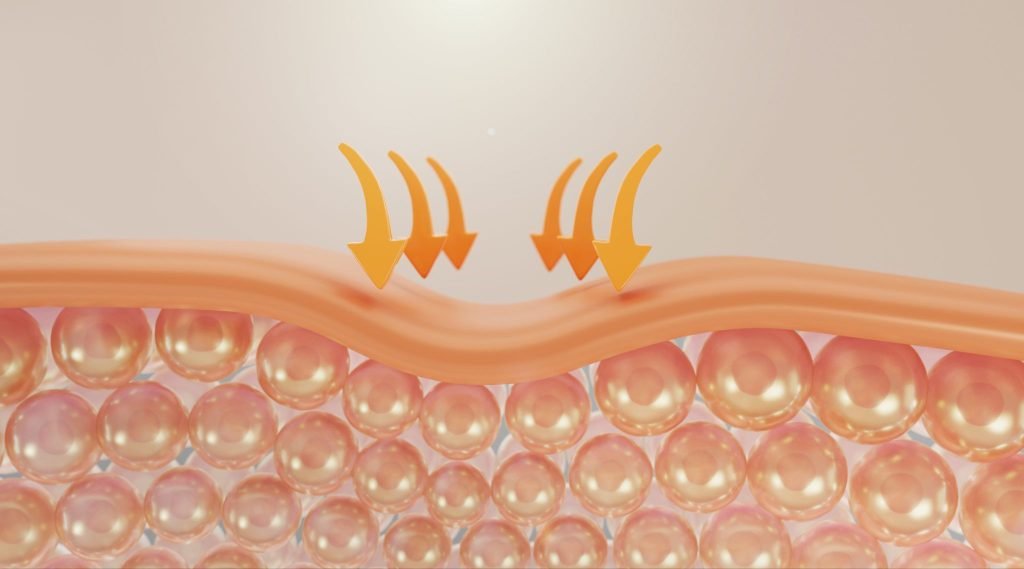
Before chasing glowing skin, make sure your skin barrier is healthy first.
Healthy skin is not only about looking smooth or radiant. Behind the surface, skin has a natural protective system that helps keep moisture in and protects against many outside factors. This protective layer is known as the skin barrier.
When the skin barrier is disrupted, skin can feel drier, redden easily, sting when you use skincare, or suddenly break out in small bumps. That is why understanding the condition of your skin barrier is an important step before adding many products or having certain treatments.
What Is the Skin Barrier?
The skin barrier is the outermost protective layer of the skin, found mainly in the stratum corneum. This layer helps regulate what goes in and out and holds on to water, so the skin stays hydrated, elastic and protected.
Put simply, the skin barrier can be pictured as a brick wall. The skin cells called corneocytes act like bricks, while lipids such as ceramides and fatty acids act like the mortar that fills the gaps between them.
When this structure works well, water is kept in the skin and outside factors do not easily disturb the skin.
What Happens When the Skin Barrier Is Disrupted?
When the skin barrier is not working at its best, skin loses water more easily through a process known as transepidermal water loss (TEWL). As a result, skin can feel dry, rough, tight and more sensitive.
Other complaints can include redness, stinging or a burning feeling, itching, and being more easily irritated by products that you could tolerate before.
The stratum corneum also has natural ways to hold on to moisture. One of them is the Natural Moisturizing Factor (NMF), a group of natural components such as amino acids, lactate, urea, simple sugars and electrolytes that help keep the skin hydrated.
However, it is important to understand that not every pimple, redness, bump or patch of dry skin automatically means a damaged skin barrier. These complaints can have other causes, so the skin condition still needs to be assessed as a whole.
Signs You May Notice When the Skin Barrier Is Disrupted
- Skin feels dry, rough or tight
- Skin reddens easily or feels hot
- Stinging when you use skincare
- Skin is more sensitive or easily irritated
- Small bumps or skin complaints that do not go away
What Can Damage the Skin Barrier?
The following habits and conditions can make skin barrier function worse:
- Washing or cleansing the face too often.
- Using a cleanser that is too harsh and leaves the skin feeling very stripped.
- Over-exfoliating, whether with AHA, BHA or physical scrubs.
- Using too many active ingredients or using them too often.
- Having certain treatments without giving the skin enough time to recover.
- Too much exposure to ultraviolet (UV) light.
- A very dry or extreme environment.
- Not using a moisturizer that suits your skin’s needs.
How Do You Protect the Skin Barrier?
The basic principle is simple: cleanse, moisturize, and protect.
Use a gentle face cleanser that does not leave your skin feeling very stripped after washing. Then use a moisturizer to help keep the skin hydrated and support skin barrier function.
Ingredients such as ceramide, glycerin and hyaluronic acid can be considered according to your skin’s needs. Still, the choice of products should be matched to the condition of each person’s skin.
Sunscreen is also an important part of daily care. UV exposure can harm skin health, so sun protection helps maintain the function and quality of the skin.
The use of active ingredients also needs to match your skin’s tolerance. More skincare does not always mean healthier skin. In some conditions, simplifying your routine can give your skin time to recover.
Treatments That Can Support Skin Barrier Quality
Besides daily care, some treatments can be considered depending on your skin condition and the doctor’s examination.
1. Skinbooster
- Mainly uses hyaluronic acid (HA)-based ingredients or other ingredients that support skin hydration.
- Can help increase the skin’s water content and improve the look of dry, dull skin.
- Better suited as a maintenance treatment once the skin barrier is relatively stable.
2. PN/PDRN or Polynucleotide Treatment
- Used to support regeneration and improve the quality of skin tissue.
- Can be considered as a skin quality treatment, especially for skin with signs of photoaging or recovery that is not optimal.
3. Hydrating Facial / Barrier-Repair Facial
- Focuses on gentle cleansing, hydration, soothing, and ingredients that support the skin barrier, such as ceramide.
- Can be an option for skin that is currently sensitive, adjusted to each person’s skin condition.
When Should You See a Doctor?
If your skin stays red, feels hot or stings, peels, is very sensitive, or keeps breaking out even though you have simplified your skincare routine, it is better not to keep switching products on your own.
A doctor can help assess whether the complaints really relate to a disrupted skin barrier or whether there is another skin condition that needs specific treatment.
A Healthy Skin Barrier Is the Foundation of Healthy Skin
Healthy skin does not always need many products. What matters more is understanding your skin’s condition, keeping to basic skincare, and choosing care that suits your needs.
Caring for your skin also does not have to be aggressive. The right treatment at the right time can help keep your skin balanced and healthy.
So, before chasing glowing skin, first make sure your skin barrier is healthy and well looked after.
|
Healthy skin starts with a healthy skin barrier. You do not need to use too many products. Start by understanding your skin’s condition, keeping to basic skincare, and choosing treatments that fit your needs. Healthy skin is not about how many products you use, but how well you care for it. |
Discussion
Comments & Questions
Share your comments or questions about this article.