
Anti-Aging Is Not Just About Removing Wrinkles: What Is Really Happening to the Skin?
Why can someone look older even though they don't have that many wrinkles?
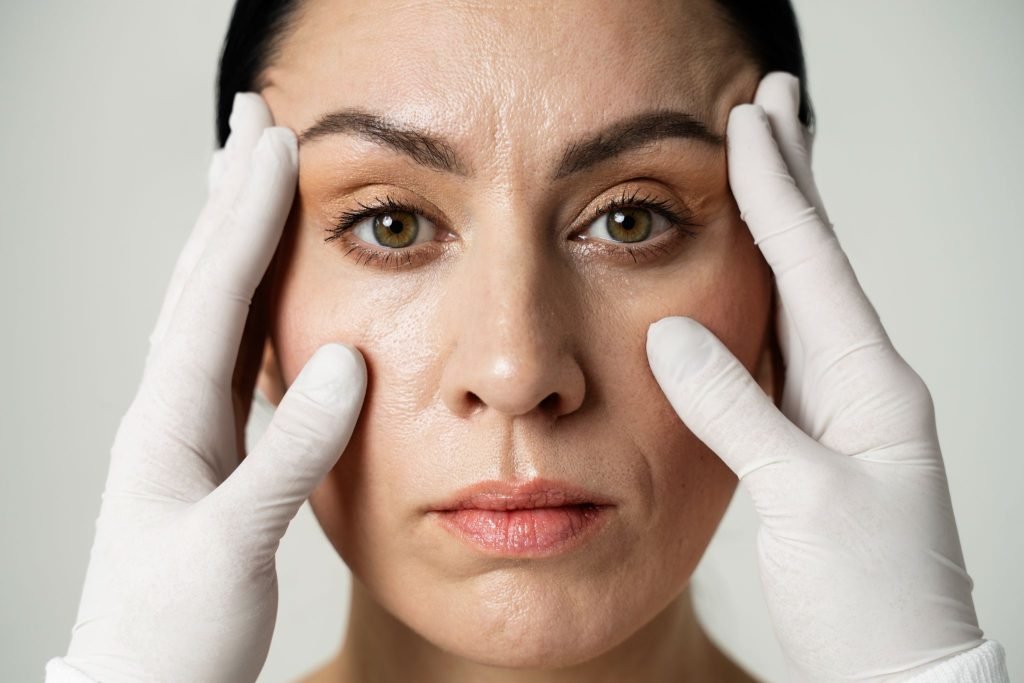
Why can someone look older even though they don’t have that many wrinkles?
You may have seen someone who looks older even though their wrinkles are not that many or not that clear. On the other hand, some people have more visible wrinkles but still look fresh and youthful. This happens because the aging process of the face is multidimensional, not only on the surface of the skin.
The skin is the largest organ of the body and works as protection from various outside exposures, such as temperature changes, friction, trauma, and disturbances from the environment. The skin is also not made of just one layer. Each layer has a different function, and as we get older, changes can happen in several layers at once.
That is why the wrinkles seen on the skin surface are only one sign of the aging process. Changes in collagen, elastin, water content, facial fat, muscle, and supporting tissue also affect how the face looks over time.
What Happens During Aging?
Many people think the aging process only becomes clear after age 50. In fact, the biological changes linked to aging generally begin slowly from young adulthood and then become more visible as we get older.
- Collagen decreases. Collagen production drops with age, while its breakdown can increase. As a result, the skin can look thinner, less firm, and form lines or wrinkles more easily.
- Elastin changes. Elastin helps the skin return to its original shape after moving or being stretched. When its structure and function decline, the skin becomes less elastic.
- Hyaluronic acid decreases. This component helps keep the skin moisturized and hydrated. When its amount drops, the skin can look drier and duller, and makeup tends not to stay on as well as before.
- Skin barrier function declines. The protective layer of the skin can become weaker, so the skin dries out more easily, becomes sensitive, or feels uncomfortable.
- Changes in the facial muscles. Facial muscles keep working throughout life. In certain areas, changes in muscle activity and strength can make expression lines look more obvious.
- Changes in the facial fat layer. Facial fat can become thinner, reduce, or shift position. These changes also make the face look more hollow, less full, or sagging.
The accumulation of all these changes can cause signs of aging such as more fine lines, deeper smile lines, tired or hollow-looking under-eyes, cheeks that look like they have dropped, and a facial contour that is not as firm as before.
Because aging happens in several layers, the anti-aging approach is also often done step by step and comprehensively. The goal is not only to camouflage wrinkles, but to adjust care to the changes that happen in the skin and the structure of the face.
What Affects the Aging Process?
In general, the aging process is influenced by two main groups of factors: intrinsic factors and extrinsic factors.
1. Intrinsic Factors
Intrinsic factors come from inside the body and are related to biological processes and genetic factors. As we get older, the ability of cells to regenerate and repair damage gradually declines.
Production of collagen, elastin, and extracellular matrix components also decreases. As a result, the skin can become thinner, less elastic, drier, and start to show fine lines.
Hormone changes also play an important role. In women, for example, the drop in estrogen after menopause can affect collagen production, skin hydration, skin thickness, and the distribution of facial fat. In addition, genetic factors also decide each person’s tendency toward certain aging patterns.
2. Extrinsic Factors
Extrinsic factors come from the environment and lifestyle. One of the biggest factors in skin aging is exposure to ultraviolet (UV) light. UV exposure can increase the formation of reactive oxygen species (ROS), damage collagen and elastin, and increase the activity of matrix metalloproteinases (MMPs), enzymes that play a part in breaking down collagen.
This process is known as photoaging and can cause wrinkles, uneven pigmentation, changes in skin texture, and a drop in elasticity.
Besides UV exposure, air pollution, cigarette smoke, excessive alcohol consumption, an unbalanced diet, lack of sleep, prolonged stress, and lack of physical activity can also increase oxidative stress and inflammation that can potentially speed up aging.
The signs of aging seen on the skin are the result of a complex interaction between intrinsic and extrinsic factors. That is why efforts to slow aging should not focus only on skincare or treatments, but also on daily habits.
What Can Be Done to Slow the Aging Process?
Aging is a natural biological process that cannot be stopped. But the appearance of signs of aging can be slowed by keeping the body healthy, protecting the skin, and living a more regular lifestyle.
1. Keep a Healthy Diet and Lifestyle
Eating protein, vegetables, fruit, whole grains, and healthy fat sources can help support the formation and repair of body tissue. It is best to limit foods high in sugar and ultra-processed foods, and avoid smoking and excessive alcohol because they can increase inflammation and contribute to collagen damage.
Enough sleep, stress management, and regular physical activity are also important. Exercise helps support blood circulation, while sleep gives the body a chance to carry out the regeneration process.
2. Use Sunscreen Regularly
Sunscreen is one of the most important steps in anti-aging care because it helps protect the skin from ultraviolet light. Use sunscreen of at least SPF 30 every morning and apply it evenly on the face, neck, ears, and other exposed areas of the body.
Sunscreen needs to be reapplied according to your activity, environmental conditions, and the product’s instructions, especially after sweating, swimming, or being in the sun for a long time. Extra protection such as a hat, sunglasses, and reducing direct exposure when the sun is very strong can also help.
3. Keep a Skincare Routine
Daily skincare can help maintain skin barrier function and skin quality. Use a face cleanser that suits your skin type, a moisturizer regularly, and avoid products that are so harsh they cause dry or irritated skin.
Ingredients such as retinoids, vitamin C, niacinamide, and peptides can be considered according to your skin condition. They should be used gradually and, especially for certain active ingredients, based on the recommendation of a doctor or competent medical professional.
4. Consider Aesthetic Treatments
Aesthetic treatments can be one option to help keep skin quality and deal with signs of aging. Because aging happens in several layers, the type of treatment each person needs can differ.
For the upper layers of the skin, treatment options can include chemical peeling, laser, radiofrequency, microneedling, skin boosters, or biostimulators, adjusted to the skin’s condition and needs. These treatments can aim to help improve hydration, texture, and pigmentation, and stimulate collagen so the skin looks healthier, firmer, and more radiant.
For deeper layers or structures, the doctor can consider treatments such as botulinum toxin, filler, ultrasound-based treatment, or thread lift to help improve muscle activity, volume, proportion, and facial contour.
Anti-Aging Is Not About Looking Younger in an Excessive Way
Aging cannot be prevented, but the process can be slowed and managed with the right approach. Anti-aging care should not focus only on removing wrinkles, but also on keeping the health and quality of the skin, maintaining the structure of the face, and adjusting to each individual’s needs.
The end goal is to help the face age in a healthy way, still looking fresh, proportional, and natural – so you still look like yourself in your best version.
Note: The type of anti-aging skincare and treatment should be adjusted to your skin condition, age, health history, and the results of a doctor’s examination. Results of treatment can differ for each person.
Discussion
Comments & Questions
Share your comments or questions about this article.