
Can a Hair Transplant Fail Because It Is Not Maintained?
The hairline has been restored, the hair has been transplanted, and then the treatment stops. Yet in patients with androgenetic alopecia (AGA), the original cause of hair loss can keep affecting the native hair that was not transplanted.
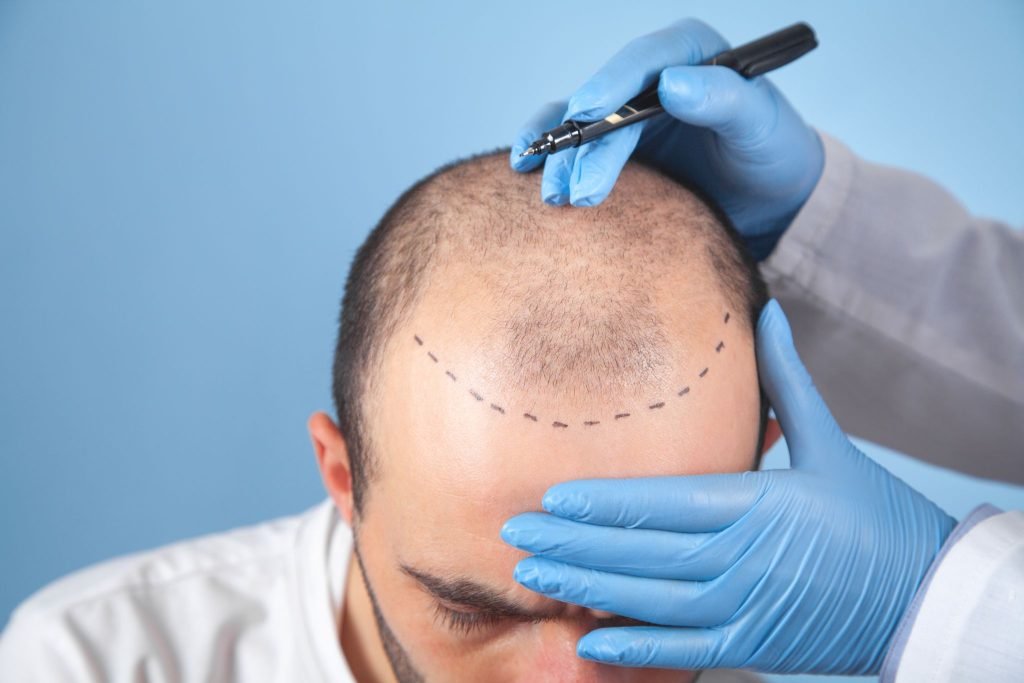
Already Had a Hair Transplant, Do You Still Need Treatment?
The hairline has been restored, the hair has been transplanted, and then the treatment stops. Yet in patients with androgenetic alopecia (AGA), the original cause of hair loss can keep affecting the native hair that was not transplanted.
AGA is a progressive condition and one of the most common causes of patterned hair loss in men. A hair transplant can fill areas that have thinned or gone bald, but it does not stop the ongoing thinning that AGA causes in the surrounding native hair.
That is why, in patients with AGA, treatment after a hair transplant still plays an important role in keeping the hair that remains and supporting the overall result.
With vs Without Treatment: Is the Result Different?
A study of 79 men with AGA who had a hair transplant compared patients who used finasteride with patients who did not.
After about one year, 94% of the patients who used finasteride showed improvement in the appearance of their hair, compared with 67% in the group that did not use finasteride. The native hair around the transplanted area also looked better in the patients who used finasteride.
This means that, for AGA patients, a successful hair transplant is not only about the transplanted hair growing. The native hair around it also needs to be kept, because it affects the overall result of the hair transplant.
Keep Up the Treatment After a Hair Transplant
In AGA patients, minoxidil and finasteride can be an important part of care after a hair transplant. They have different roles. Minoxidil helps support hair growth and keep hair, while finasteride helps block the effect of DHT (dihydrotestosterone, a hormone involved in hair loss) that causes follicle miniaturization in men with AGA.
The dose and way of using them need to be adjusted and monitored by a doctor, because each patient can respond differently. Side effects can occur, such as scalp irritation with topical minoxidil or certain side effects with finasteride. That is why regular check-ups are needed so the doctor can evaluate the response and adjust the treatment if necessary.
Treatment needs to be done consistently as your doctor advises, including during the shedding phase and while waiting for the transplanted hair to start growing. Inconsistent use can mean the treatment does not give its best benefit to the native hair. Consistency is needed to help control the progression of AGA and keep the native hair that remains.
Supportive Treatment to Support Hair Growth
Besides the main treatment, supportive treatment can be considered to help support hair growth after a hair transplant. One of the most studied is PRP (Platelet-Rich Plasma), which uses the patient’s own blood plasma with a concentration of platelets and growth factors to support the environment for hair follicle growth.
Some studies show that PRP as an add-on to a hair transplant may help hair grow earlier, increase hair density and support follicle survival, although the results and the protocols used can still differ between studies.
Regenerative therapies such as exosome and secretome are also being studied to support hair growth. However, the clinical evidence and the standardization of their use are still developing, so their use needs to be adjusted to the patient’s condition and the doctor’s judgment.
Supportive treatment is not a replacement for the main treatment of AGA, but it can be an additional treatment within the care that follows a hair transplant.
So, What Does It Mean for a Hair Transplant to Fail?
In patients with AGA, not doing any treatment after a hair transplant does not mean the transplanted hair will automatically fail to grow. However, AGA in the native hair can keep progressing, so the hair around the transplanted area becomes thinner and thinner. As a result, a result that first looked good can lose density and look less than ideal over time.
This is why the success of a hair transplant needs to be judged by the overall hair result, not only by whether the transplanted grafts grow.
Consistency is key. Follow the treatment your doctor advises and go for regular check-ups to help control the progression of AGA, keep the native hair that remains, and keep the hair transplant result at its best.
Sources:
- An International Expert Consensus Statement Focusing on Pre and Post Hair Transplantation Care – Dermatologic Therapy, 2023.
- Effects of Finasteride (1mg) on Hair Transplant – Dermatologic Surgery. Randomized, double-blind, placebo-controlled study in men with androgenetic alopecia who had a hair transplant.
- Minoxidil in Pattern Hair Loss Patients Undergoing Hair Transplantation: An International Modified Delphi Consensus – 2026.
- Platelet-Rich Plasma as an Adjunctive Therapy in Hair Transplantation: A Systematic Review – 2025.
- Enhancing Graft Survival Rates in Follicular Unit Excision: A Chinese Expert Consensus on Perioperative Procedures – 2025
Discussion
Comments & Questions
Share your comments or questions about this article.